When I watch my youngest boy's football team, it's painful. They don't look like professional footballers. Their positioning, passing and skill levels are at a very low level. Of course, that's what we expect. They are under 10. Yet there is always room for improvement. The majority will never reach the dizzy heights of a professional sportsperson, but they are happy to practice to keep improving.
Have you ever watched amateur golfers? Do they look anything like their professional counterparts? The short answer is no. It doesn't mean they can't hit the ball well, but when you study their form, there is little style and rhythm. Why don't they have a swing like Rory McIlroy? In reality, there is a barrier to how much they can improve.

So the question is how do you improve? How do you become better at football or tennis or golf or cricket...and investing.
Start thinking more.
If you take away the purpose of each game. In these examples, take away the ball. The golf ball. The tennis ball. The football. Then look at the movement of the body without the ball. In other words, by forgetting about the ball, you can think more about how the body shapes itself without the ball. The rhythm. What does the golf swing look like when each part of the swing is broken down. When the footballer thinks about how they shape their foot whilst kicking. How does the tennis player turn and follow through? The objective is to look like a professional... but without the ball.
The mind can then grasp what it feels like to be in the right position.
Then re-introduce the ball. Do you think that the rate of improvement is compounded? Has the barrier to improvement been lifted or smashed?
We would say yes. This process has helped me personally change my game of tennis. Whilst we start sports for fun, as we improve we need a better understanding of the fundamentals. That needs better thinking. Then eventually the thinking disappears, it just becomes feeling. Sportspeople talk about being in the moment or zone. They don't need to do any thinking, they act in the moment. The thinking they have done allows them the freedom to be in the zone.
Investing we would argue is the next most important thing in your life after your health. You only need to look at Maslow's hierarchy of needs to appreciate it. So if it's that important to your wellbeing, why don't most people take it seriously? Why don't investors really think about how to make sure their financial wellbeing is as good as it can be?
When I ask people if they need help thinking about their money, so many say, they have it all sorted. It's as if there is no room for more thinking. From a sports perspective, it takes open-mindedness and degree of bravery to dismantle your golf swing or tennis style as you'll probably lose the next few matches. Do you remember Nick Faldo? He changed his golf swing and reaped the rewards. But if you want to improve, there is no choice but to rethink what you are doing today.
But at some stage, it gets better.
The same is true with investing. Do you really think you know as much as you do? Are you really that sure you've made great choices? Can you really articulate your decision-making process? If not, it's time to be more open-mindedness and have a degree of bravery to realise you've not got it sorted but you are still prepared to keep learning. And when you do apply intelligent thinking to your investing, you reap the rewards.
However, success isn't always as it may appear.
Firstly, when you invest, most people win. The capitalist system works for you. If you invest long enough, you get rewarded. So it's possible to judge your return as a success when it's not. It was something you were entitled to.
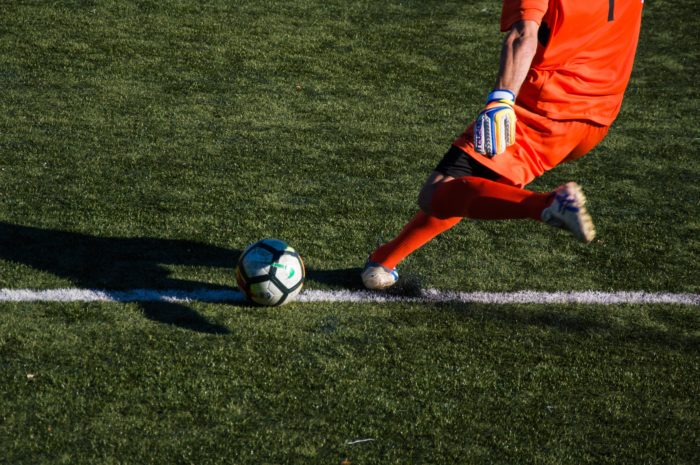
Secondly, in football, the 'stars' tend to be the attackers. Whilst the striker gets the adulation, they still don't score 20 or 30 or 40 goals each game. They might get one or two at best. On the other hand, the defender and goalkeeper may easily make 50 tackles and saves. So the success of the team is to stop making mistakes but add the odd element of brilliance. In the world of investing, the way to win is by making the fewest mistakes. In investing, if you are more like a goalkeeper than an attacker, you will have the most successful long term outcomes.
Have you thought whether when you invest are you allocating your capital to an attacker or defender?
If an adviser, wealth manager, fund manager stockbroker or similar explain the success of a fund, they are really selling the image of 'more'. It's human nature to be attracted to buy such investments who sell the image of attackers. Who are the attackers? Neil Woodford is an example of an attacker.
There are many more stories told to investors about the latest 'attackers'. But it's your money and you take all the risk, yet the game you need to play is the one that delivers the best outcome, not the one that is a charade for success.
Finally, why is not making mistakes so important? A study showed that if goalkeepers didn't jump either way in a penalty situation, they would save more. However, what goalkeeper would do that? They would be accused of not trying. So it's better to dive and fail. In investing, it's better to stand still and win. That's what thinking does for you.